Blocked drains in Tauranga, Papamoa and the Mount: DIY fixes and when to call a pro
A local, no-nonsense guide to safe DIY steps for slow or blocked sinks, showers and outside drains, how Bay of Plenty weather and tree roots make things worse, and the clear warning signs that mean you should call a licensed drainlayer.
The local picture: why drains are a common headache here
Blocked sinks, slow showers and clogged outside drains are everyday problems around Tauranga, Papamoa and Mount Maunganui. Our patch gets heavy downpours, wind-blown leaves and lots of vegetation close to pipes. That combination — plus older stormwater setups and people flushing things that don’t break down — is the reason you see recurring blockages more often than you’d expect.
Common causes you can’t ignore
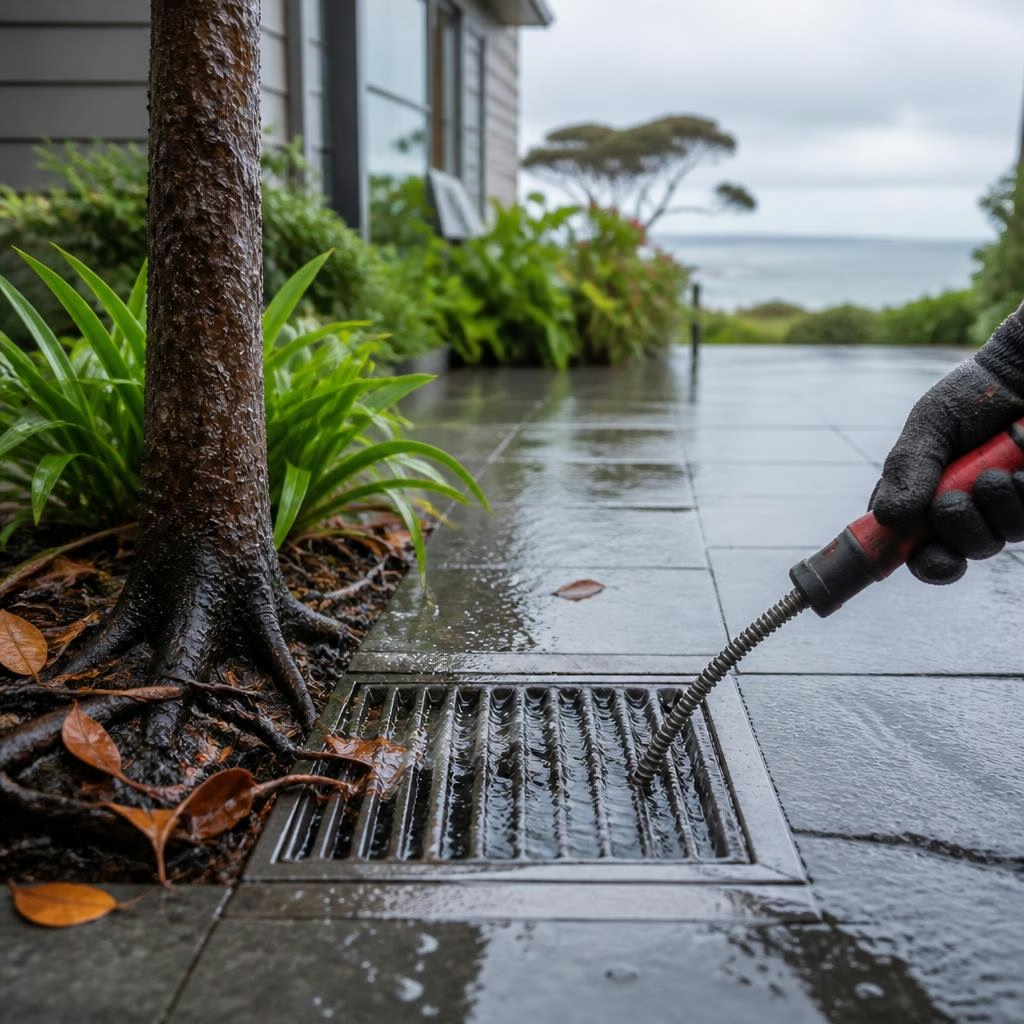
Inside the house the usual suspects are hair and soap scum in baths and showers, food and grease in kitchen wastes, and foreign items flushed into toilets. Outside, leaves, sediment, sand and garden debris plug grates and drains after storms. Tree roots are a major one in the Bay of Plenty — they seek moisture and can intrude into joints and old clay or concrete pipes. On rural properties, septic systems that aren’t looked after will also contribute to backups or poor drainage.
Safe DIY fixes for sinks and showers
If a sink or shower is slow, try simple, low-risk fixes first: use a good plunger (seal it around the waste), remove and clean the trap (pop it out into a bucket and clear the gunk), and pull out visible hair with a hook tool. For minor clogs a small hand auger (plastic cable) is effective; only use a powered drain snake if you know what you’re doing. Enzyme-based cleaners that break down organic matter are safer for pipes and septic tanks than harsh caustic chemicals. Never mix drain chemicals or pour them down immediately before attempting mechanical removal — that’s dangerous and can make repairs harder.
Dealing with outside drains and surfacewater
For outside grates and stormwater channels, remove leaves and debris by hand first, then flush with a hose to move sediment. Avoid pointing a high-pressure washer directly into a sealed drain opening — it can push debris further down or damage fittings. If the blockage seems deeper (water pooling after a good flush, or a grate that fills quickly in rain) that’s often beyond simple DIY. Many locals have had quick results from a pro when the problem was a blocked waste trap or a deeper stormwater issue, so don’t assume every outside blockage is safe to tackle yourself.
What to avoid — the quick mistakes that cost money
Don’t use caustic drain cleaners or chemical store-bought ‘melters’ on a whim — they damage seals, corrodes pipes and wreck septic biology. Don’t keep running water or flushed toilets if sewage is backing up; that risks overflow and property damage. Don’t dig up drains without checking for buried services or getting advice — collapsing a line or hitting a water main makes a small job very expensive. And if you have a septic tank, don’t flush wipes, sanitary products, oil or grease down the drain; they’re common causes of failures in rural systems.
Red flags: when to stop DIY and call a drainlayer
Call a professional if you see any of the following: multiple fixtures backing up at once; foul sewage smell or visible sewage; repeated blockages after a short period; gurgling or bubbling in fixtures; standing surface water after clearing the grate; obvious ground subsidence or wet patches over buried drains (possible collapse or broken pipe). Also call if you’re unsure about access to the pipe or if you don’t have the right gear — professionals can do camera inspections and safe root cutting without making things worse.
What a pro will do and simple prevention to keep drains clear
A licensed drainlayer will assess the problem, often using a camera to pinpoint the blockage, then use the appropriate method — high-pressure water jetting, mechanical rodding, root cutting, or repair/trenching if the pipe is damaged. JT Plumbing Drainage & Gas say they use modern equipment and systems and are set up to manage both small unblocks and larger surfacewater or septic jobs; customers regularly praise prompt, tidy work and clear communication. For prevention: use hair and food traps, don’t pour grease down the sink, keep gutters and grates clear after storms, trim tree roots away from lines where possible, and have septic tanks inspected by a professional on a regular basis. If you hit a red flag or the DIY tricks don’t work, get a qualified drainlayer out sooner rather than later — it will usually save time and cost in the long run.
Customer review


Article by
JT Plumbing Drainage & Gas
JT Plumbing Drainage & Gas has over 18 years’ experience providing plumbing and drainage services to over 5,000 clients and 2,000 new homes in Tauranga. Located in Tauriko, Tauranga, we use the latest technology, systems and processes to make sure you receive a responsive plumbing service that saves you money, time and hassle. By choosing JT Plumbing you can be confident that you’re plumbing project will be managed by a team of experienced, qualified plumbers, drainlayers and gasfitters. Our work is covered by the Master Plumbers and our gold standard guarantee. We work to be a force for good by being a great employer, minimising our environmental impact and maximising our contribution to the well being of the wider Tauranga Community.