Hot water cylinder leaks in Tauranga homes: repair, replacement and a note on switching to gas
Practical, no-nonsense advice for Tauranga homeowners about why hot water cylinders leak, what a plumber checks first, immediate safety steps you can take, how to decide between repair and replacement, and considerations for rural properties with septic systems.
What this article will help you with
If you’ve spotted water under your hot water cylinder or noticed it topping up more than normal, this guide walks you through the usual causes, what a plumber will look for, simple safety steps you can take right away, and how to weigh up repair vs replacement. It’s written for Tauranga and Bay of Plenty homes — practical, straightforward tips from people who deal with this every week.
Common causes of cylinder leaks
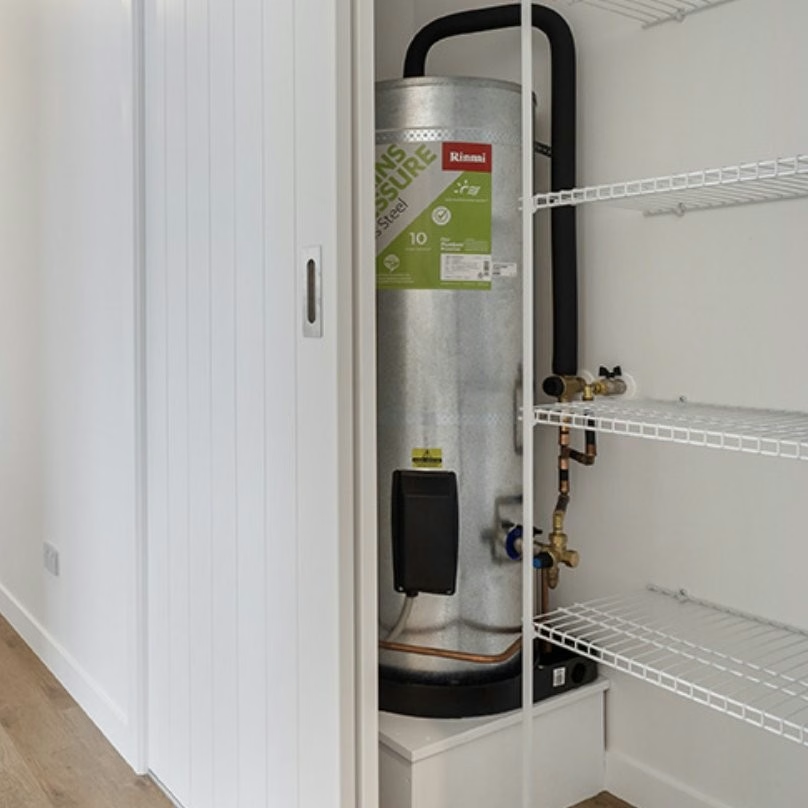
Leaking cylinders usually come from a few predictable places: failing seals or gaskets at the element or taps, the drain valve, a faulty temperature & pressure relief valve, loose or corroded pipe connections, or the tank body itself corroding through. Sometimes the leak isn’t the cylinder at all but a nearby pipe, overflow or condensation that looks like a cylinder leak. In older cylinders the anode and internal corrosion are common underlying problems.
What a plumber checks first
A plumber will start by isolating the unit and confirming where the water is coming from — element seals, fittings, drain valve, or the tank seam. They’ll check the temperature & pressure relief and the cold-water isolation, inspect visible connections and the surrounding roof/ceiling or floor for water damage, and test system pressure. If it’s an electric cylinder they’ll make the power safe before working; for any uncertainty they’ll advise the safest next step rather than guessing.
Quick safety steps you can take now
If you find a leak: 1) Turn off the cold-water supply to the cylinder (there’s usually an isolation valve near the top of the unit). 2) Switch off the cylinder’s power at the breaker or RCD — don’t try to disconnect live wiring. 3) Put a bucket under the drip and move anything valuable away from the wet area. 4) If the leak is large, turn off the main water supply and call a plumber straight away. These actions reduce immediate damage; leave repairs to a qualified pro.
Repair or replace — how to decide
Whether to patch a leak or replace the cylinder comes down to where the leak is, the extent of corrosion, the unit’s condition, and long-term reliability. Leaks from fittings, valves or the drain can often be fixed quickly and economically. A leak from the tank body usually signals internal corrosion and is typically a replacement job. If you’ve had repeated issues, or the tank shows obvious rust and surrounding water damage, replacement makes more sense than repeated call-outs. A reputable plumber will explain the likely lifespan and the trade-offs so you can decide without surprises.
A brief note on switching to gas
Converting to gas water heating is an option some homeowners consider, but this is a separate decision with its own costs and installation requirements. This article avoids technical gas advice — if you’re thinking about conversion, talk to an experienced gasfitter who can assess your particular house, ventilation and piping needs and give a clear quote and safety plan.
Rural and septic-tank considerations in the Bay of Plenty
If your property uses a septic tank, a leaking cylinder can create extra problems: saturated ground around the tank can affect access, and surface water from leaks can complicate repairs. Rural properties sometimes have longer pipe runs, buried tanks or tanks under access lids, so a plumber will consider excavation, site access and leaving the area tidy. If you’re in the Bay of Plenty rural belt, mention your septic setup when you call so the crew bring the right gear and plan for safe, contained work.
What to expect from a pro and when to call JT Plumbing
If you want a quick, reliable outcome, call a plumber as soon as you spot a leak — the faster it’s attended, the less secondary damage. Expect a pro to isolate the unit, diagnose the source, give clear options (repair now vs replace) and talk through costs before work begins. Local customers often appreciate fast attendance and clear communication; one customer noted prompt, efficient attendance that prevented a flood. If you’d like someone local to assess a leak and explain the options, a qualified Tauranga plumber can get you sorted without drama.
Customer review


Article by
JT Plumbing Drainage & Gas
JT Plumbing Drainage & Gas has over 18 years’ experience providing plumbing and drainage services to over 5,000 clients and 2,000 new homes in Tauranga. Located in Tauriko, Tauranga, we use the latest technology, systems and processes to make sure you receive a responsive plumbing service that saves you money, time and hassle. By choosing JT Plumbing you can be confident that you’re plumbing project will be managed by a team of experienced, qualified plumbers, drainlayers and gasfitters. Our work is covered by the Master Plumbers and our gold standard guarantee. We work to be a force for good by being a great employer, minimising our environmental impact and maximising our contribution to the well being of the wider Tauranga Community.